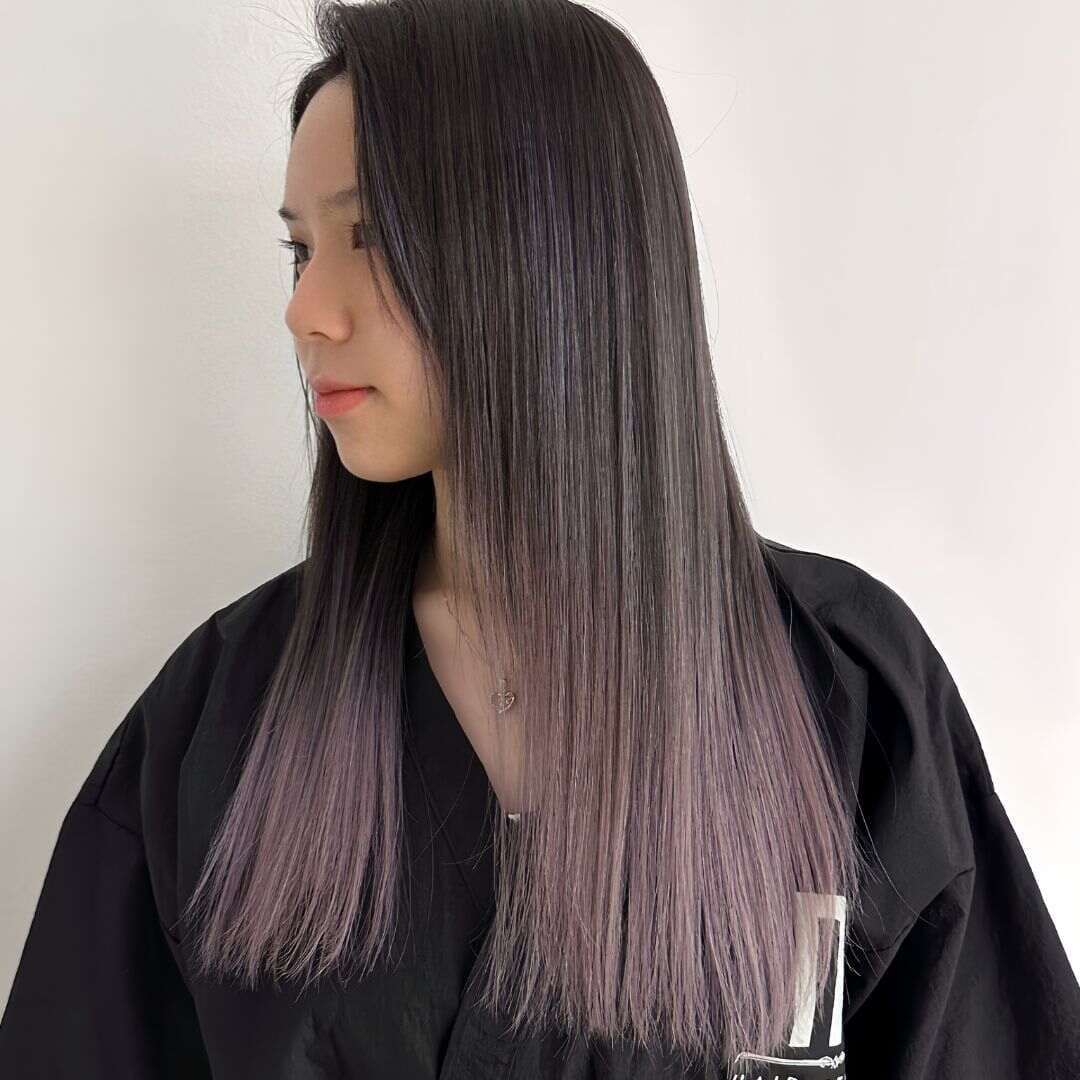
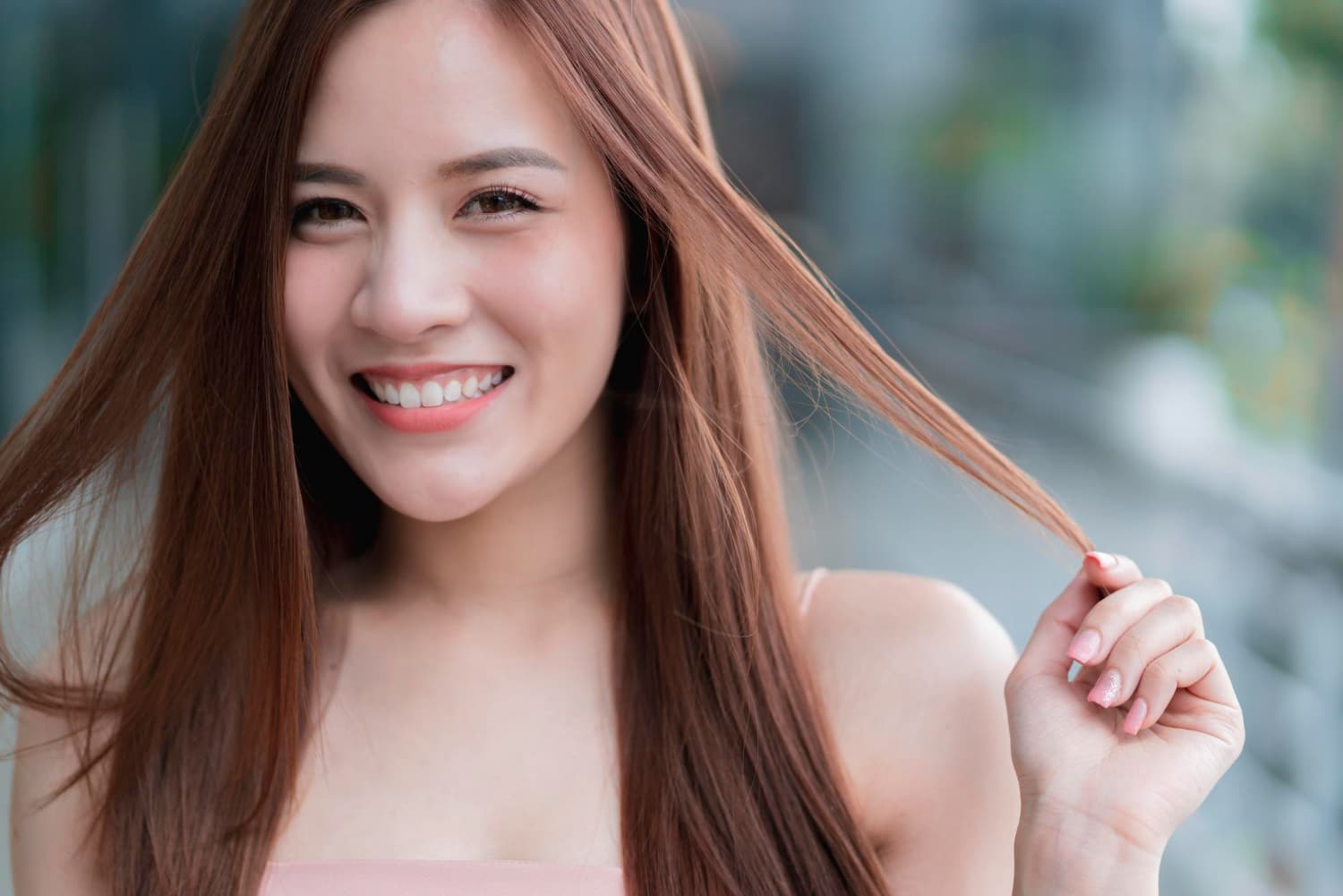
If you’ve been exploring new hair-colouring ideas, you’ve probably come across two of the most popular techniques, such as balayage and ombre. Both are favourites among stylists and clients because they offer stunning dimension, natural-looking colour transitions, and long-lasting results. But although people often get confused between balayage vs ombre, they are quite different.
Understanding the balayage and ombre difference will help you choose a style that suits your hair type, maintenance preferences, and lifestyle. This comprehensive guide explains what each technique is, its key differences, pros and cons, and how to decide which one is best for you.
What is Balayage?
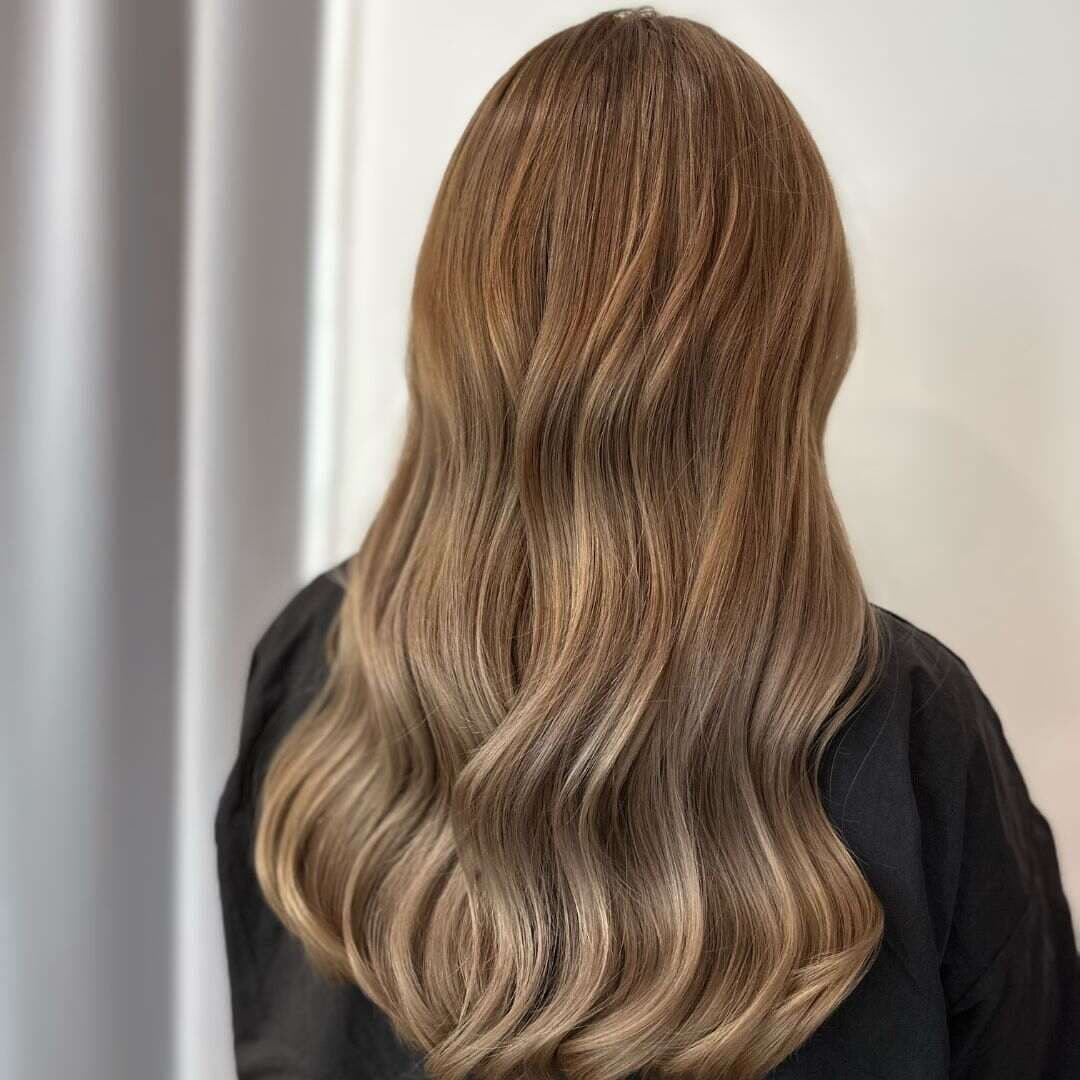
Balayage is a French word meaning “to sweep”. This describes the freehand technique used by stylists to paint lighter pieces directly onto the hair’s surface. Instead of using foils or structured placements, balayage focuses on soft, sun-kissed highlights, similar to how the sun naturally brightens hair.
It also works with many shades, such as subtle caramel tones or bold blonde, and is suitable for straight, wavy, curly, or textured hair. Balayage is ideal if you love a low-maintenance colour that grows out gracefully without harsh demarcation lines.
What is Ombre?
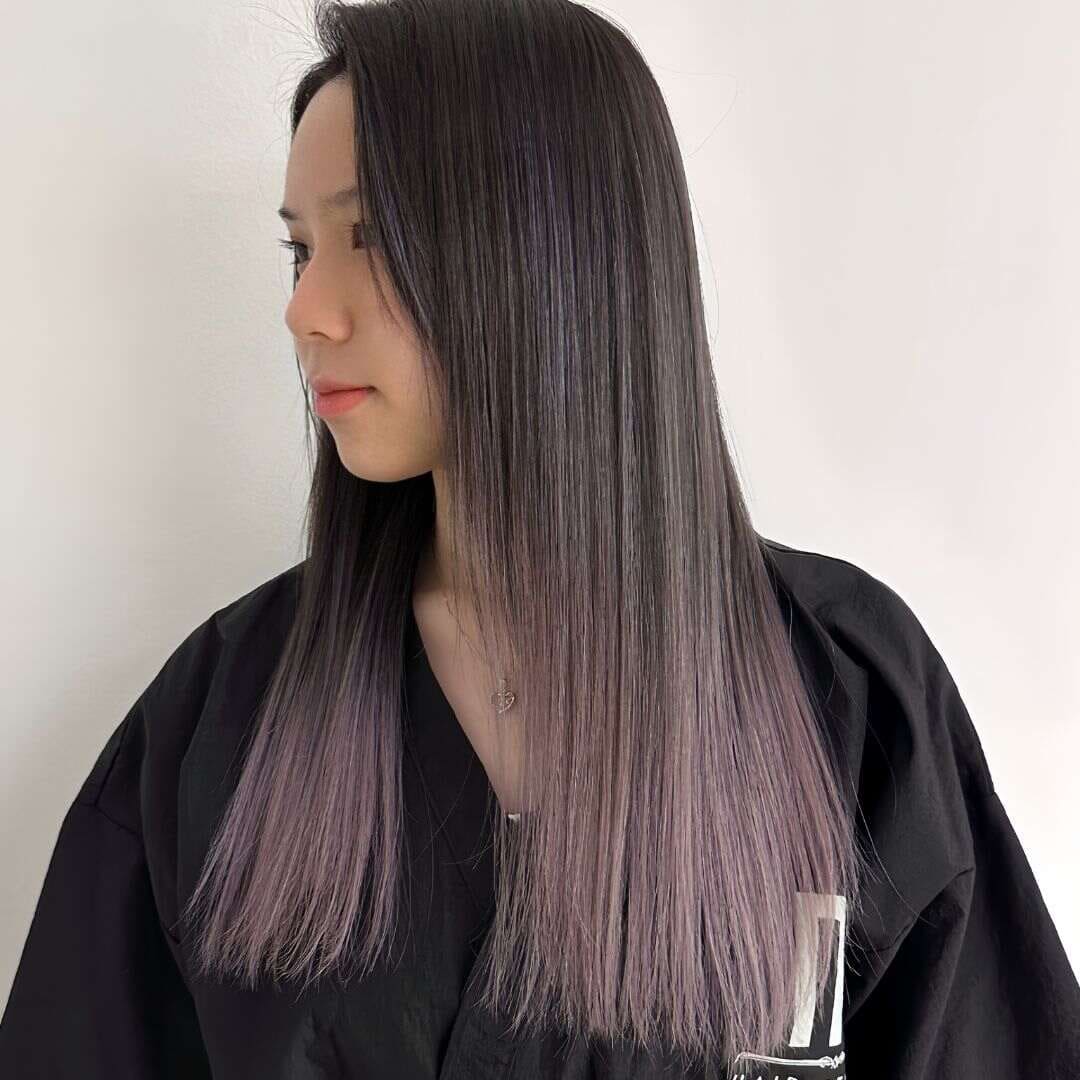
Ombre comes from the French word meaning “shaded”. It describes a gradient effect where the hair shifts from a darker shade at the roots to a lighter shade at the ends. The contrast can be dramatic or subtle, depending on your preference. It includes a gradual transition from dark to light and is often more dramatic than balayage.
This technique works best on medium to long hair for a seamless fade. You can also include bold fashion colours like red, blue, or lavender. Ombre is great for those who want an artistic, noticeable colour transformation.
Key Differences Between Balayage and Ombre
Even though balayage and ombre can sometimes look similar, their techniques, effects, and methods to upkeep are quite different. When comparing balayage hair vs ombre, these are the factors that matter most:
1. Technique and Application
Balayage:
- Applied using a sweeping motion where colour is painted onto the hair’s surface.
- Placement is customised to your haircut, face shape, and natural colour flow.
- Creates soft, scattered highlights for a multi-dimensional effect.
Ombre:
- Applied using traditional techniques such as backcombing or foil blending to create a smooth gradient.
- Colour is placed from mid-length to ends in a controlled manner.
- Focuses on transitioning from dark to light rather than on natural highlight placement.
2. Colour Transition and Gradient
Balayage:
- Produces a very natural transition between shades.
- Feels organic, similar to natural hair.
- Highlights start closer to the root but blend softly.
Ombre:
- Creates a distinct gradient from dark roots to light ends.
- The fade is smooth, but the contrast is more noticeable.
- The lighter colour usually begins around the mid-length of the hair.
3. Maintenance Level
Balayage:
- Very low-maintenance.
- Because the highlights blend naturally, regrowth isn’t obvious.
- Touch-ups are usually needed every 3 to 6 months, depending on the colour intensity.
Ombre:
- Relatively low-maintenance, but can require more upkeep if the contrast is dramatic.
- Lightened ends may need frequent toning to avoid brassiness.
- Root touch-ups are optional since the technique embraces natural roots
4. Overall Style and Effect
Balayage:
- Soft, romantic, and effortlessly natural.
- Adds subtle brightness and movement to the hair.
- Perfect for those who want a classic, timeless look.
Ombre:
- Trendy and bold.
- Makes a statement with stronger contrast.
- Great for experimenting with creative colour combinations.
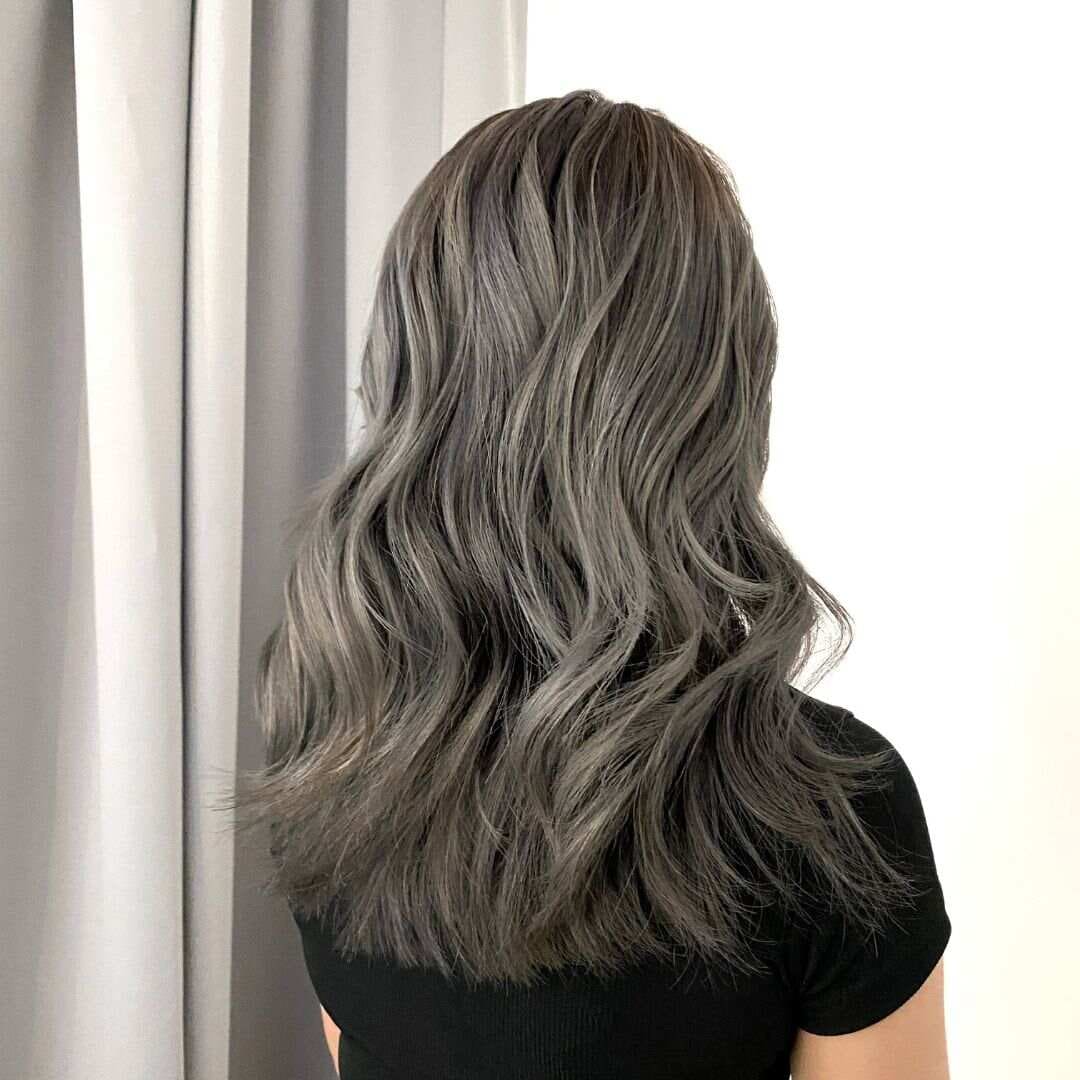
Pros and Cons of Balayage and Ombre
To help you gain a clearer understanding of the differences between balayage vs ombre, we listed down the pros and cons of each technique below:
1. Balayage
| Category | Pros | Cons |
| Overall Look | Natural, sun-kissed, soft highlight effect | It may appear too subtle for those who want high contrast |
| Maintenance | Very low-maintenance, as the regrowth blends seamlessly | Requires toning if lifted to very light blonde |
| Application Technique | Customisable freehand application | Needs a highly skilled stylist for perfect blending |
| Hair Health | Less bleaching overall since highlights are selective | Multiple sessions may be needed for dark hair to reach bright shades |
| Versatility | Works well on all hair types, textures, and lengths | A subtle effect may not stand out on very dark or thick hair |
| Lifestyle Suitability | Perfect for busy people who want a natural grow-out | Not ideal if you want a dramatic or trendy colour shift |
2. Ombre
| Category | Pros | Cons |
| Overall Look | Bold, dramatic gradient from dark to light | It can look harsh if the gradient isn’t blended smoothly |
| Maintenance | Minimal root touch-ups since roots stay dark | Ends may need more frequent toning and care |
| Application Technique | Suitable for fashion colours and creative styles | Requires experience to avoid patchy or uneven gradients |
| Hair Health | Only the lower half is lightened, not the full head | Ends may become dry or brittle |
| Versatility | Great for medium to long hair; works with bright colours | Not ideal for short hair, as the gradient may not show well |
| Lifestyle Suitability | Perfect for those wanting a modern, statement look | Requires aftercare to keep the transition smooth and vibrant |

How to Choose the Right Technique for Your Hair Type and Lifestyle
Choosing between balayage vs ombre depends on several factors, such as your personality, hair condition, how bold you want the colour to be, and how much maintenance you’re comfortable with. You can follow these tips to choose the right technique for you:
1. Consider Your Hair Length
If you have short hair, balayage usually looks better because the freehand highlights add dimension without requiring long lengths. If you have medium to long hair, both balayage and ombre work well, but ombre achieves a more noticeable fade on longer hair.
2. Think About Your Natural Hair Colour
If you have dark hair, ombre can create a dramatic transition, while balayage provides a more subtle lift. If you have light hair, balayage blends easily for a natural glow, although soft ombre shades like beige or honey also look beautiful.
3. Decide on the Maintenance Level
If you want a low-maintenance colour, balayage is the best option. If you don’t mind toning your ends occasionally and paying visits to a hair salon, ombre can be a great fit.
4. Choose Your Preferred Style
Prefer natural, effortless beauty? Go for balayage. If you prefer bold, eye-catching looks, go for ombre. It all depends on your ideal style you’re going for.
5. Assess Your Hair Health
Both techniques involve lightening, which means a professional stylist should assess your hair’s condition. Healthy hair can handle a broader range of colour transitions, while damaged hair may require gentler application or pre-treatment.
6. Match the Look to Your Lifestyle
Busy professionals, students, or parents who want long-lasting results will appreciate the minimal upkeep of balayage. Content creators, or those who love experimenting with colour, may enjoy the versatility of ombre.
Conclusion
Balayage and ombre are both stunning techniques that can transform your look, but understanding the balayage vs ombre differences helps ensure you choose the one that fits your style and lifestyle. No matter which technique you prefer, working with an experienced stylist ensures healthy hair and long-lasting colour results.
If you’re looking to get Balayage or Ombre hair done for your new hairstyle, visit M Concept Hair Salon in Melaka or M Concept Hair Salon in Johor Bahru! We offer professional hair colouring services from subtle highlights and babylights to advanced techniques like balayage, ombre and full bleach colouring to match your style and personality.