Ombre hair colouring has become one of the most popular hair colour trends over the years. The ombre colour technique offers versatility, depth, and a modern edge that suits many personal styles. If you’ve ever wondered what is ombre hair colouring, how it works, or whether it’s right for you, this complete guide will walk you through everything you need to know before taking the risk of changing your hair colour.
What is Ombre Hair Colouring?
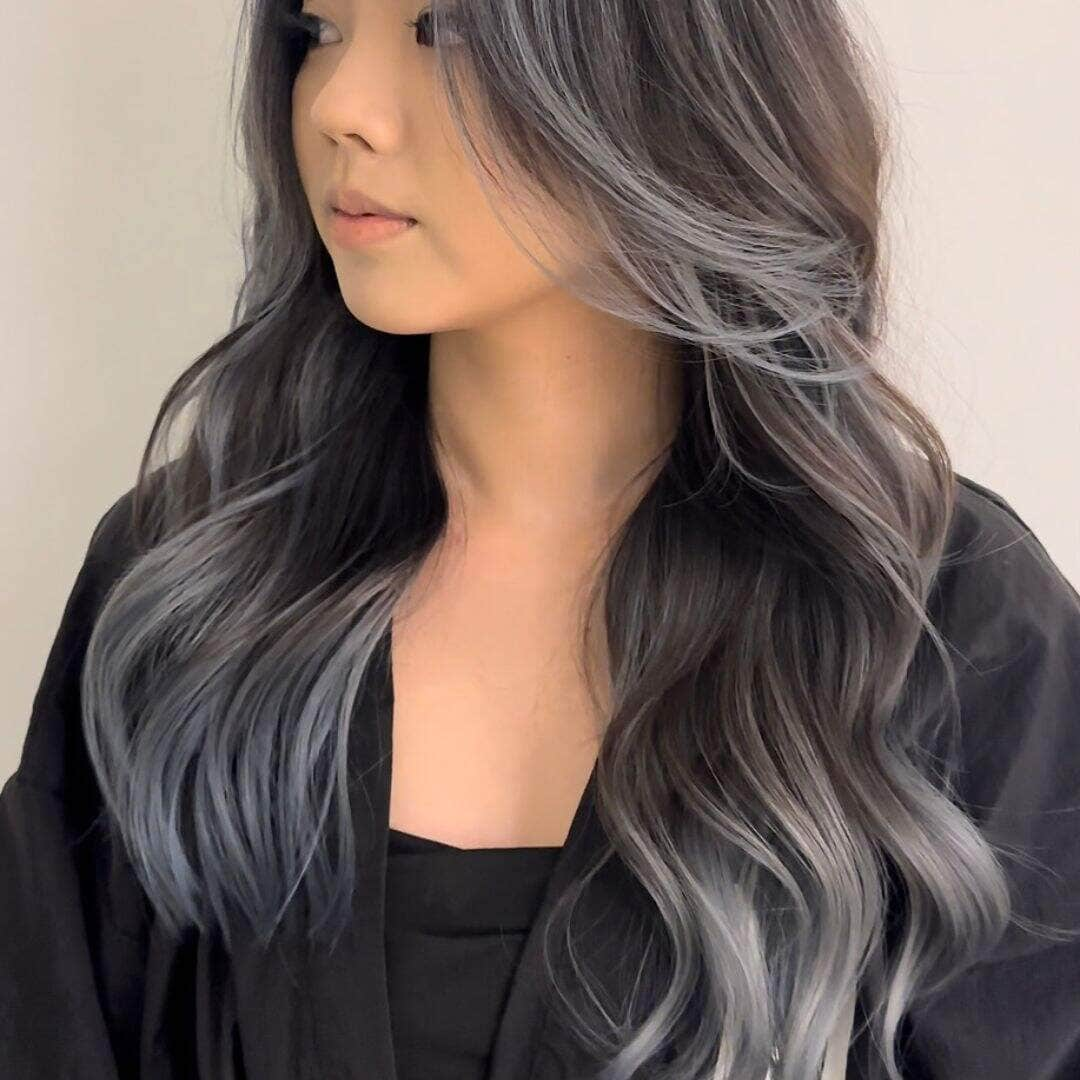
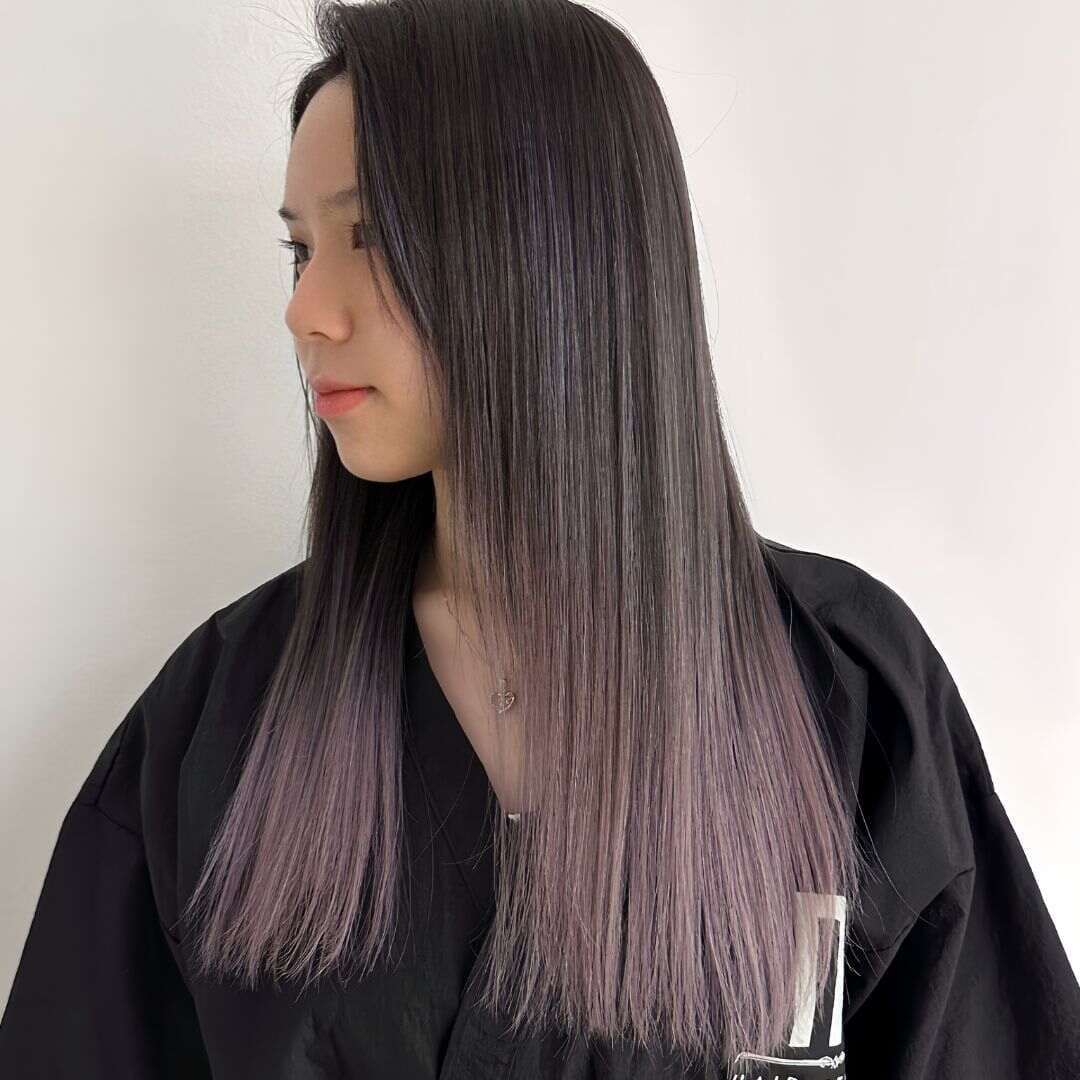
So, what is ombre hair colouring exactly? The term “ombre” comes from the French word meaning “shaded” or “shadow.” In hair styling, ombre refers to a gradual blending of one colour into another, typically transitioning from darker roots to lighter ends. This creates a soft, gradient effect rather than a harsh line between colours.
Unlike traditional highlights or full-head colouring, ombre hair colouring focuses on colour placement rather than saturating the entire head. The roots usually remain close to the natural shade, while the mid-lengths and ends are lightened or coloured. This technique makes ombre colour especially appealing for those who want a noticeable change without committing to frequent root touch-ups.
When people ask what ombre hair dye, they’re often referring to the colouring products used to achieve this gradient look. Ombre is less about a specific dye and more about the application technique, which skilled stylists use to blend shades seamlessly.
How Ombre Hair Colouring Works
Ombre hair colouring works by creating a smooth transition between two or more shades. The stylist carefully applies lightener or dye starting from the mid-lengths of the hair, gradually increasing intensity toward the ends. The key to a successful ombre colour lies in blending. There should be no obvious line where one colour ends and the next begins.
The process usually starts with a consultation to determine your desired contrast level. Some clients prefer a subtle, natural ombre that is similar to sun-lightened hair, while others want a bold transformation with striking colour differences. Depending on your natural hair colour and the target shade, the stylist may use bleach or a combination of dyes to achieve the look.
Professional ombre hair colouring often involves multiple steps, including toning, to ensure the final colour is balanced and flattering. This is why it’s recommended to have ombre done at a reputable salon rather than attempting a DIY approach at home.
5 Different Types of Ombre Hair Colors
One of the biggest advantages of ombre hair colouring is its versatility. There are many variations of ombre colour styles, each offering a unique look.
1. Classic Ombre
Classic ombre features dark roots that gradually fade into lighter ends, often in shades of brown to blonde. This timeless style works well for those seeking a natural yet noticeable change.
2. Soft Ombre
Soft ombre has a very subtle transition between colours, making it ideal for first-timers or professionals who want a low-key look. The difference between the root and end colour is minimal, which offers a smooth, blended finish.
3. Reverse Ombre
In reverse ombre, the roots are lighter while the ends are darker. This is considered a modern style of traditional ombre hair colouring, which is less common but offers a bold look.
4. Colour Ombre
For those who love experimenting, colour ombre incorporates vibrant shades such as red, purple, blue, or pink. This type of ombre hair dye allows for something more creative while still maintaining a gradient effect.
5. Ash or Cool-Toned Ombre
Ash and cool-toned ombre colours are popular for their sophisticated, smoky appearance. These shades work especially well for those who prefer muted, elegant tones over warm hues.
Benefits of Choosing Ombre Hair Colour
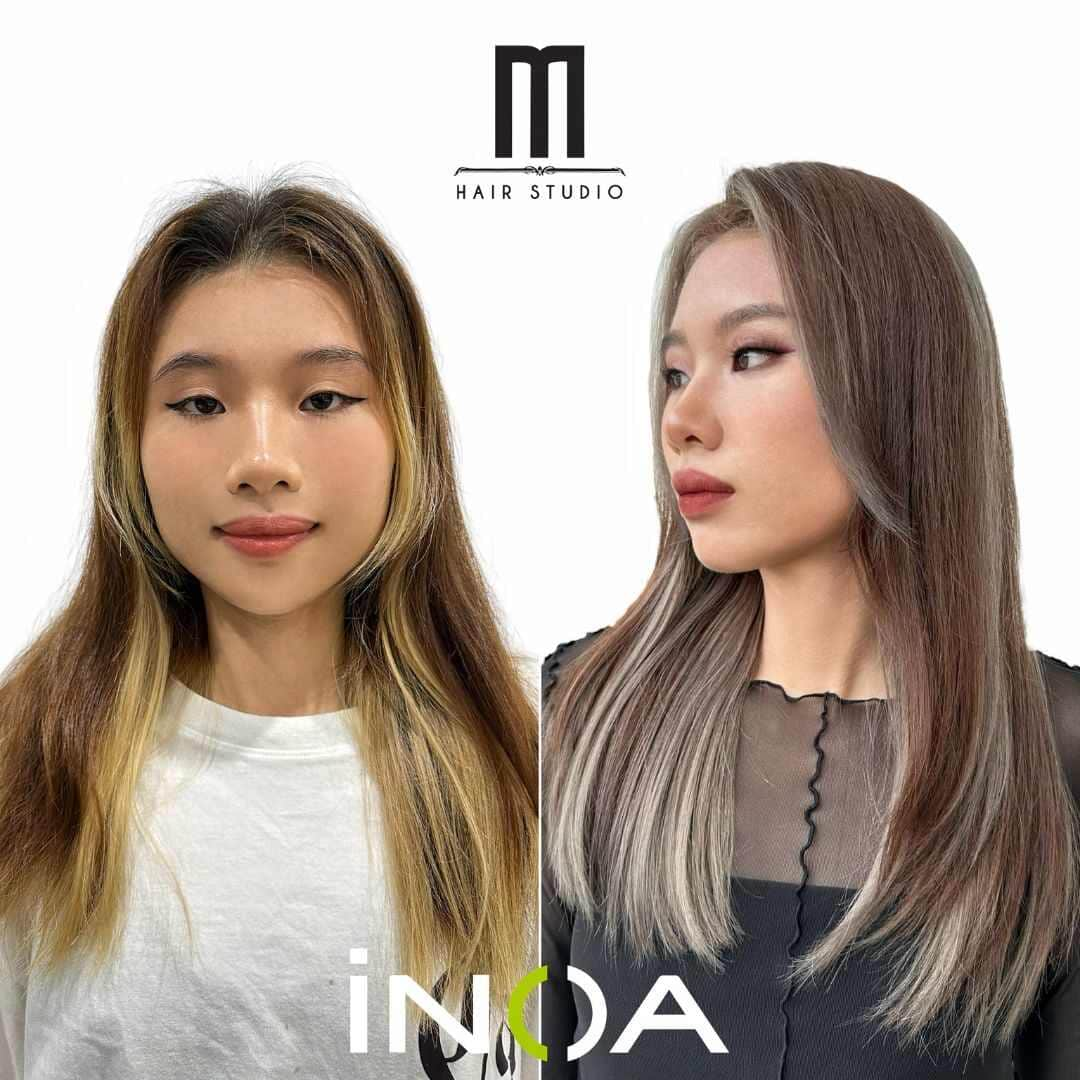
There are many reasons why ombre hair colouring continues to be a top choice in salons all over the world. Below are some of the key benefits:
1. Low Maintenance
One of the biggest benefits is low maintenance. Since the roots remain darker and closer to your natural shade, regrowth is less noticeable. This means fewer salon visits compared to full-head colouring.
2. Versatility
Another advantage is versatility. Ombre colour can be customised to suit different hair lengths, textures, and personal styles. This means that with ombre, it can be subtle or dramatic.
3. Add more depth or dimension
Ombre hair colouring also adds depth and dimension to the hair, making it appear fuller and more textured. The gradient effect enhances movement and can complement facial features beautifully.
Is Ombre Suitable for All Hair Types and Lengths?
A common question is whether ombre hair colouring works for everyone. The good news is that ombre colour is highly adaptable and suits most hair types and lengths.
For long hair, ombre creates a dramatic, flowing gradient that really showcases the colour transition. Medium-length hair also works well, as there’s enough length to blend shades seamlessly. Even short hair can benefit from a subtle ombre, though the effect is usually not as obvious.
In terms of texture, ombre hair colouring looks stunning on straight, wavy, and curly hair. Curls, in particular, can highlight the different shades beautifully, adding dimension and visual interest. However, the key to success lies in proper technique and consultation. A professional stylist can assess your hair condition, texture, and length to recommend the best ombre style for you.
Read more info on A Complete Guide to Balayage vs Ombre: Which Style Suits You More?
Maintenance and Aftercare Tips for Ombre Hair
While ombre hair colouring is relatively low maintenance, proper aftercare is essential to keep your colour looking fresh and healthy.
Using colour-safe and sulphate-free shampoos helps preserve your ombre colour and prevent fading. Since the ends of the hair are usually lightened, they may be more prone to dryness, so regular conditioning and deep treatments are important.
Purple or blue toning products can help neutralise unwanted brassy tones, especially for blonde or ash ombre styles. Heat protection is also crucial, as excessive styling heat can dull the colour and damage the hair.
Scheduling periodic toning or gloss treatments at the salon can refresh your ombre hair colouring and maintain its vibrancy over time.
Read more info on How to Maintain Hair Colour After Salon & Hair Colour Care Tips
What to Discuss with Your Stylist Before Trying Ombre Hair Color
Before committing to ombre hair colouring, a thorough consultation with your stylist is essential. Discuss your lifestyle, maintenance preferences, and desired level of contrast. Bringing reference photos can help communicate your expectations clearly.
It’s also important to talk about your hair history, including previous colouring or chemical treatments. This information helps the stylist determine the best approach and avoid unnecessary damage.
Ask your stylist about the upkeep involved, including recommended products and follow-up appointments. Understanding what ombre hair dye is in terms of process and maintenance will help you make an informed decision.
Conclusion
Ombre hair colouring is a versatile and stylish technique that offers depth, dimension, and a personalised look. By understanding what ombre hair colouring is, how it works, and how to care for it, you can confidently decide if this colouring style suits your preferences. If you’re ready to try ombre hair colouring, consider booking a professional consultation to achieve the best results.
If you’re looking to get Ombre hair done for your new hairstyle, visit M Concept Hair Salon in Melaka or M Concept Hair Salon in Johor Bahru! We offer professional hair colouring services from subtle highlights and babylights to advanced techniques like ombre to match your style and personality.